+447300463745

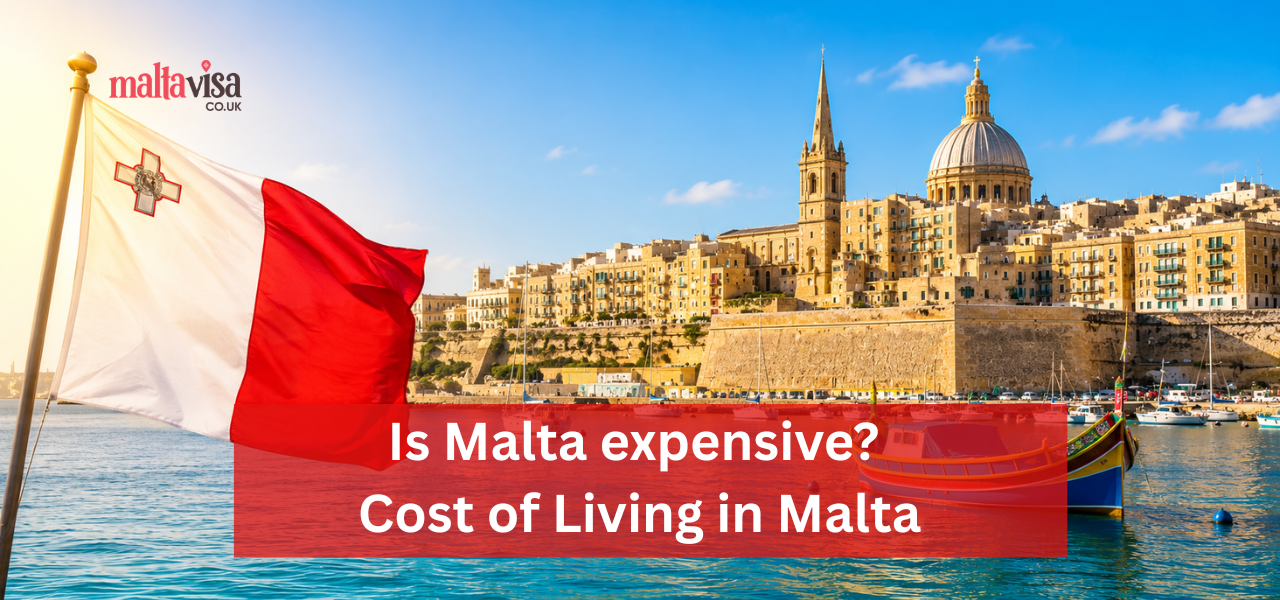
Malta has increasingly become a popular destination, not only for tourists but also for expatriates and digital nomads seeking a beautiful Mediterranean lifestyle. However, a common question that arises when considering a move or long-term stay in Malta is: Is Malta expensive? In this article, we will dive into the cost of living in Malta, explore the main expenses you should expect, and provide insights to help you plan your budget whether you’re visiting or considering relocating.
Malta offers a unique blend of affordability and quality of life, but how expensive it feels depends largely on your lifestyle and expectations. Compared to many Western European countries, Malta can be considered moderate to affordable, especially outside the peak tourist areas. On the other hand, costs can rise noticeably in highly sought-after locations such as Sliema, St. Julian’s, and the capital city Valletta.
When looking at the cost of living holistically, key elements to consider include housing, food, transportation, healthcare, and leisure activities. We will break these down in the sections below.
One of the biggest expenses for anyone living or staying long-term in Malta is accommodation. Rental prices have increased steadily in recent years due to rising demand, especially among expatriates and remote workers relocating to the island.
If you are planning a stay and need guidance on daily itineraries and visa arrangements, you might find our how to plan a Malta travel itinerary for a Schengen visa from the UK article helpful for structuring your visit effectively.
Food costs in Malta are generally reasonable, particularly if you shop at local markets and cook at home. If you prefer dining out frequently, costs will be higher, but still competitive compared to major European cities.
Malta is a small island, which keeps transportation costs fairly low. Public transport is affordable and efficient, with plenty of buses connecting key towns and tourist sites.
Malta offers a robust healthcare system, with high-quality public health services accessible to residents and visitors. Public healthcare costs are generally low or free for residents, while expats may choose private healthcare for additional convenience.
Living in Malta means enjoying a relaxed Mediterranean lifestyle with plenty of outdoor activities, cultural events, and social opportunities.
Overall, lifestyle costs can be managed by balancing dining out with home cooking, using public transport, and choosing accommodation wisely.
Compared to other European destinations such as London, Paris, or Zurich, Malta offers a relatively affordable cost of living. However, it cannot compete with more affordable Eastern European countries or some parts of Southern Europe when it comes to rent and daily expenses.
For tourists, Malta provides good value for money considering its stunning scenery, pleasant weather, and the wealth of cultural experiences on offer. For expatriates, the increasing demand has caused a moderate rise in costs, but Malta remains an attractive option due to no language barriers (English is an official language), excellent infrastructure, and a welcoming community.
To conclude, whether Malta is expensive depends largely on your personal preferences, lifestyle, and location on the island. A frugal traveler or long-term renter who cooks at home and uses public transport will find Malta quite affordable. Conversely, those looking for luxury accommodation, frequent dining out, and private transportation may find the costs adding up quickly.
Planning your trip carefully and knowing what to expect makes a significant difference. For visitors from the UK and elsewhere, understanding how to arrange accommodations, travel itineraries, and visa requirements is crucial for a smooth experience—you can read more on our guide about how to plan a Malta travel itinerary for a Schengen visa from the UK.
Ultimately, Malta’s exceptional combination of Mediterranean charm, rich history, and relative affordability make it a compelling destination, whether visiting or living abroad.